
 DeliLabel
 SwiftLabel
 KitchenHand
 InTrac
 Markets & Grocery
 Delis & Butchers
 Restaurants
 Bakeries
 Retail
 Hospitality
How Often Should Small Grocery Stores Audit Shelf Labels?
Consistent shelf label audits are one of the most effective ways to prevent pricing disputes, reduce shrink, and maintain customer trust.
How to Run a Mid-Year Inventory Audit (Without Disrupting Operations)

Instead of letting small errors grow into big problems, a mid-year audit gives you a chance to recalibrate and repoptimize—without shutting down operations or pulling staff off the floor.
How to Calculate Food Cost Percentage

The basic formula is:
Food Cost % = (Cost of Goods Sold ÷ Total Food Sales) × 100
Cost of Goods Sold, or COGS, is what you spent on the ingredients that went into the food you sold. Total Food Sales is the revenue you generated from selling that food. Multiply the result by 100 to get a percentage.
The Complete Guide to Year-End POS Clean-Up in Square
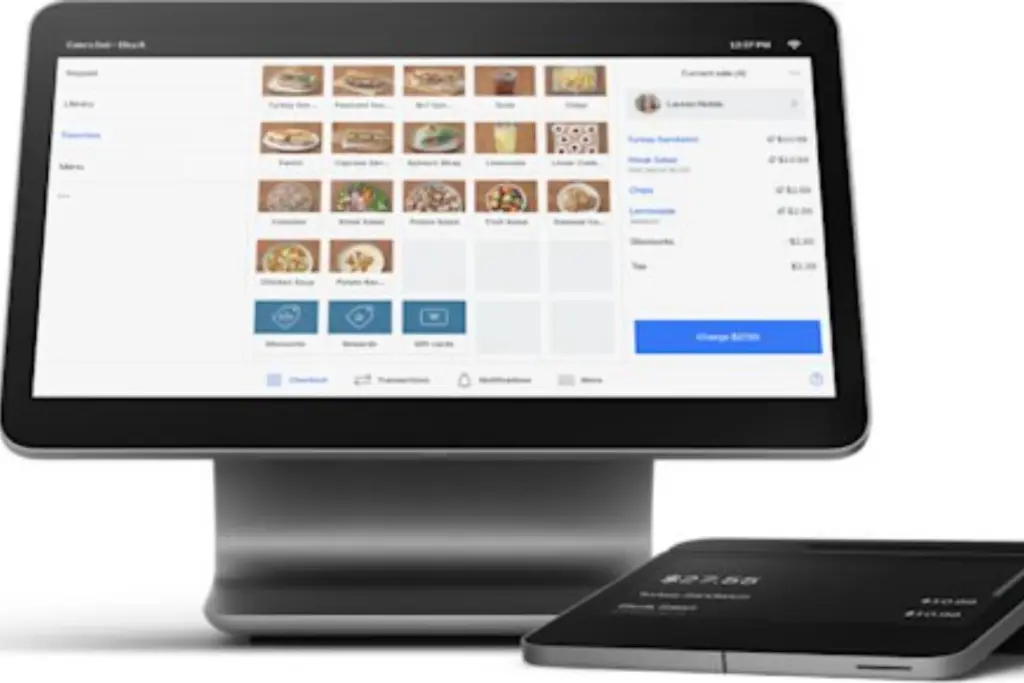
A step-by-step guide to cleaning up your Square POS at year-end, including product lists, pricing, inventory data, and reports to start the new year organized.
Avoiding Holiday Chaos: How to Manage Seasonal Inventory Like a Pro

Efficient inventory management reduces stress, boosts profit margins, and keeps shelves looking full—even in peak traffic. With tools that automate tracking and optimize restocking, your team can focus on what matters most: helping customers and driving sales.
How Often Should Retail Stores Update Shelf Labels?
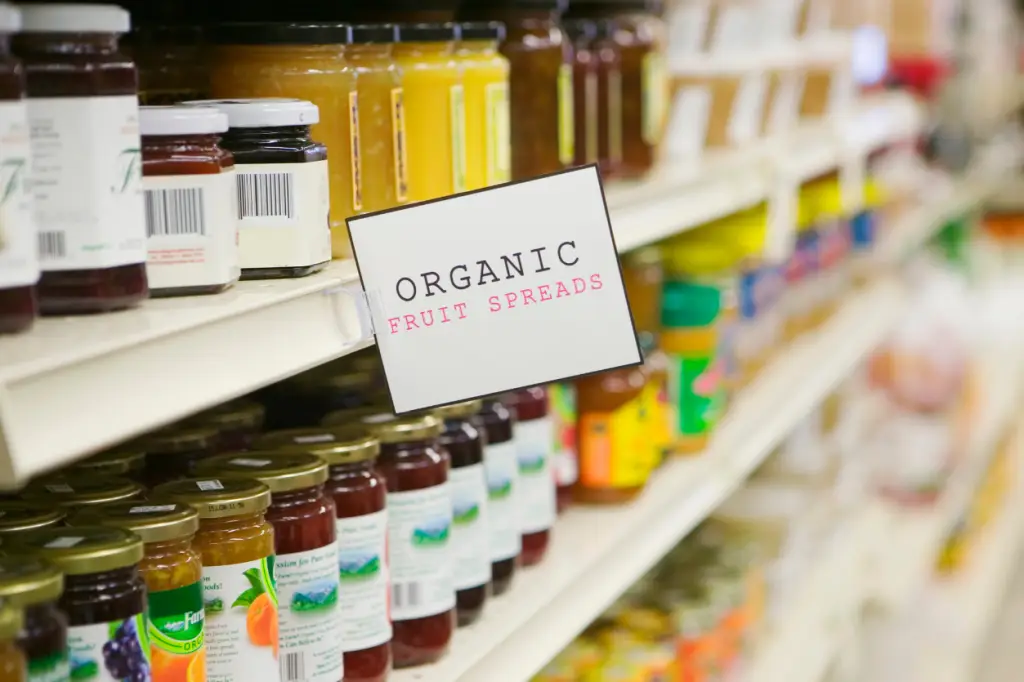
How Often Should Retail Stores Update Shelf Labels?
Shelf labels are more than small slips of paper—they’re the frontline of communication with customers. But knowing how often to update them isn’t always straightforward. Some retailers over-update, wasting labor and supplies, while others fall behind, creating mismatches that frustrate shoppers. Striking the right balance requires understanding both customer expectations and operational efficiency.
The Role of Shelf Labels in Customer Experience
When customers browse shelves, they rely on labels for quick, reliable information. Price, unit cost, and product details all influence purchase decisions. If a label is outdated or inaccurate, the experience becomes frustrating—and often leads to abandoned purchases. Over time, frequent mismatches damage the store’s reputation.
Factors That Influence Update Frequency
The right update schedule isn’t one-size-fits-all. It depends on several factors:
Product Turnover Rate: High-volume categories like dairy or produce require more frequent updates than long-shelf-life products.
Vendor Pricing Fluctuations: Some industries, such as grocery or specialty foods, see weekly or even daily changes from suppliers.
Promotions and Seasonal Cycles: Short-term promotions or holiday discounts demand rapid label changes to avoid confusion.
Weekly vs. Daily Updates
For most retailers, a weekly cycle is standard. Prices are updated in the POS, and labels are swapped during designated periods (often overnight). This approach minimizes disruptions and keeps consistency manageable. However, in fast-moving environments like grocery stores, daily updates may be essential. For example, when meat or bakery products are marked down near expiration, labels must reflect those discounts in real time.
Risks of Waiting Too Long
Delaying updates creates operational risks. Staff may be caught off guard at checkout, customers may dispute charges, and stores risk failing local pricing audits. More importantly, mismatched prices erode the trust that retailers work hard to build.
Streamlining the Process with Technology
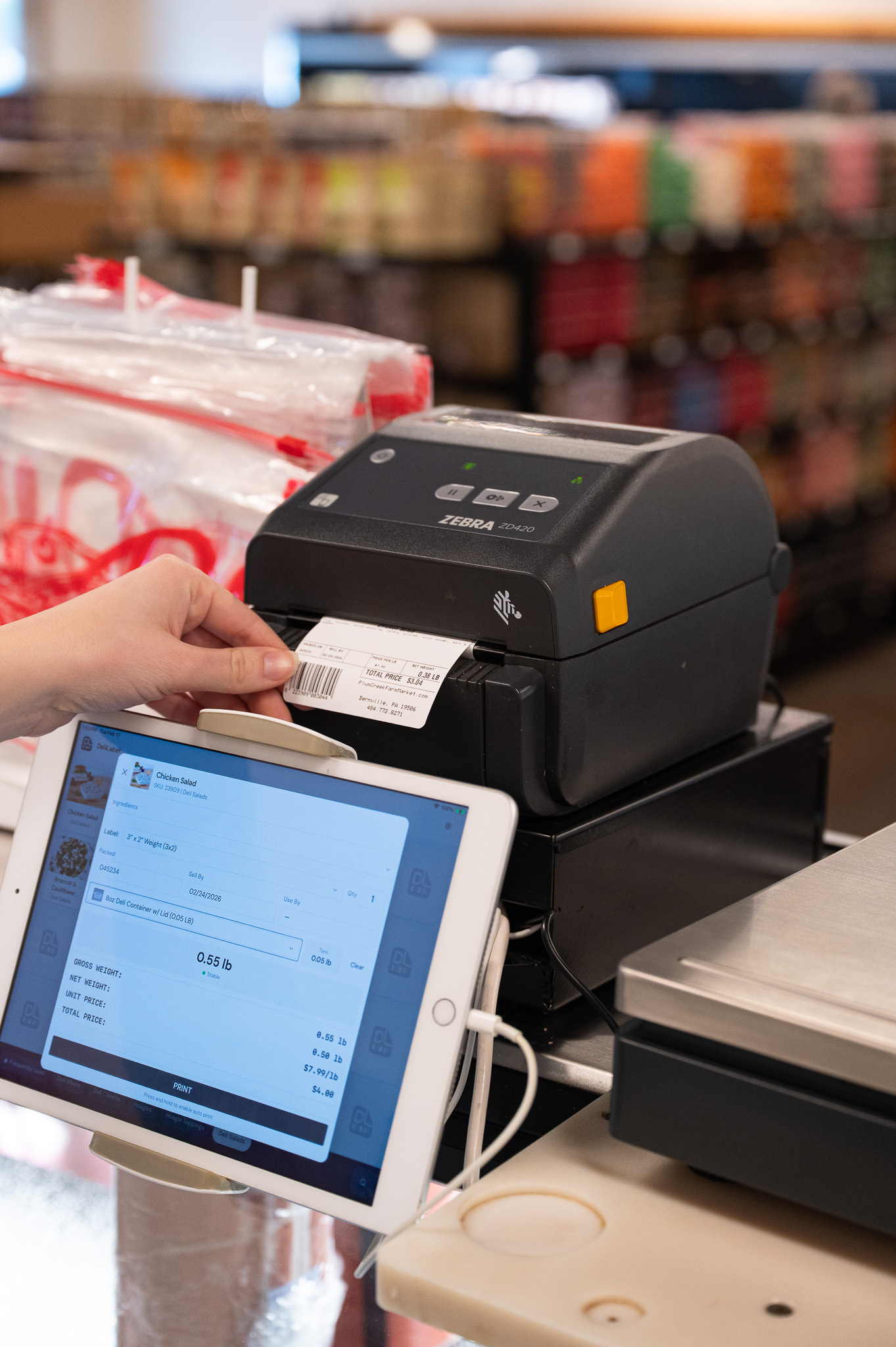
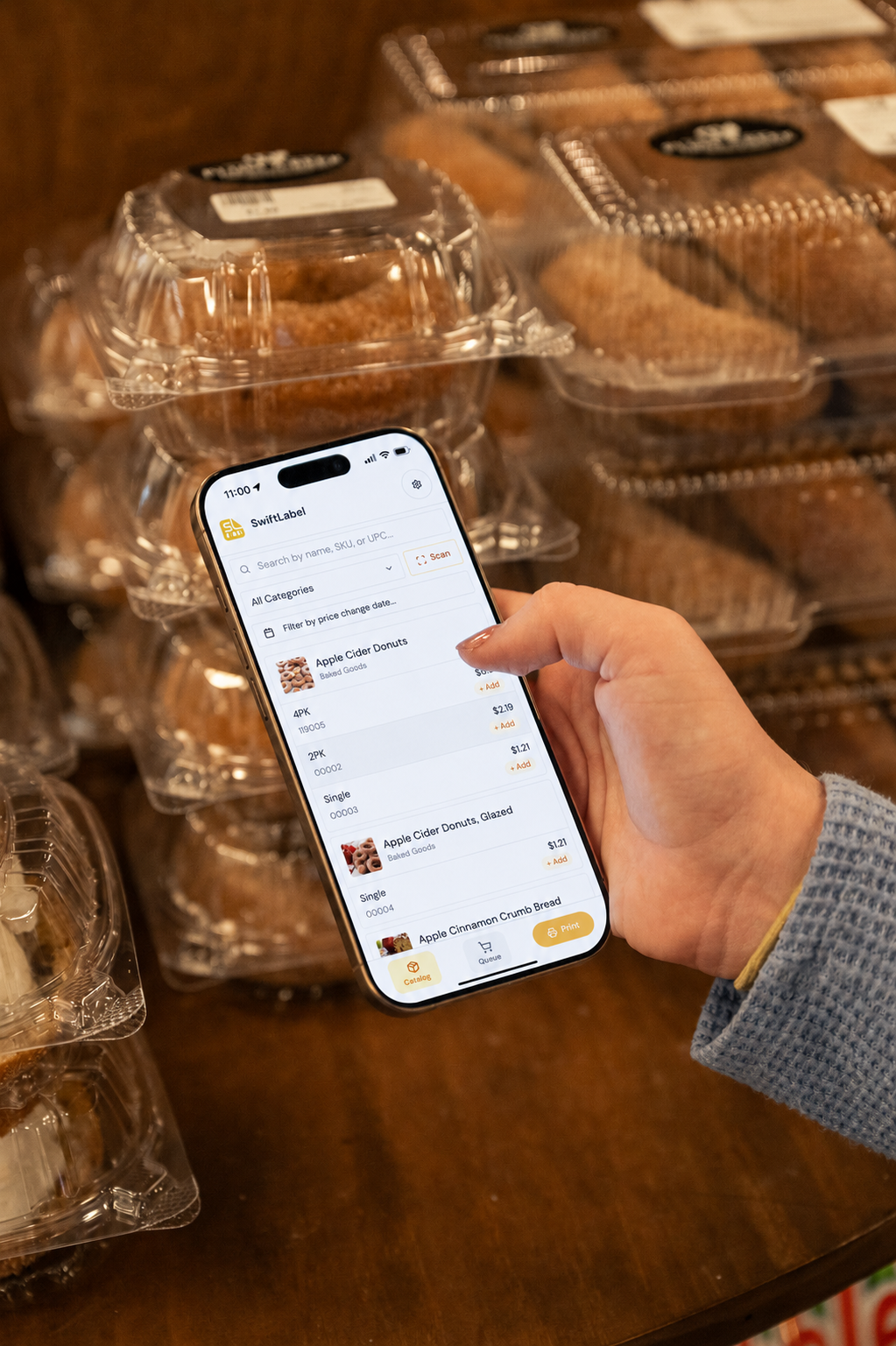
Retailers can streamline frequent updates by automating label printing directly from the POS. Instead of manually entering new prices, solutions like SwiftLabel ensure that any price entered in Square syncs seamlessly to shelf labels. This reduces errors, saves time, and allows for more frequent updates without burdening staff.
Consistency Drives Confidence
Whether daily or weekly, the most important factor is consistency. When updates are done regularly and reliably, customers learn they can trust the price on the shelf. That trust builds repeat business and shields the store from costly errors.
MarketSquare Tech specializes in tools that sync POS pricing directly to your labels, helping you keep updates efficient and accurate.
An Outline of Regulations for Food Labels
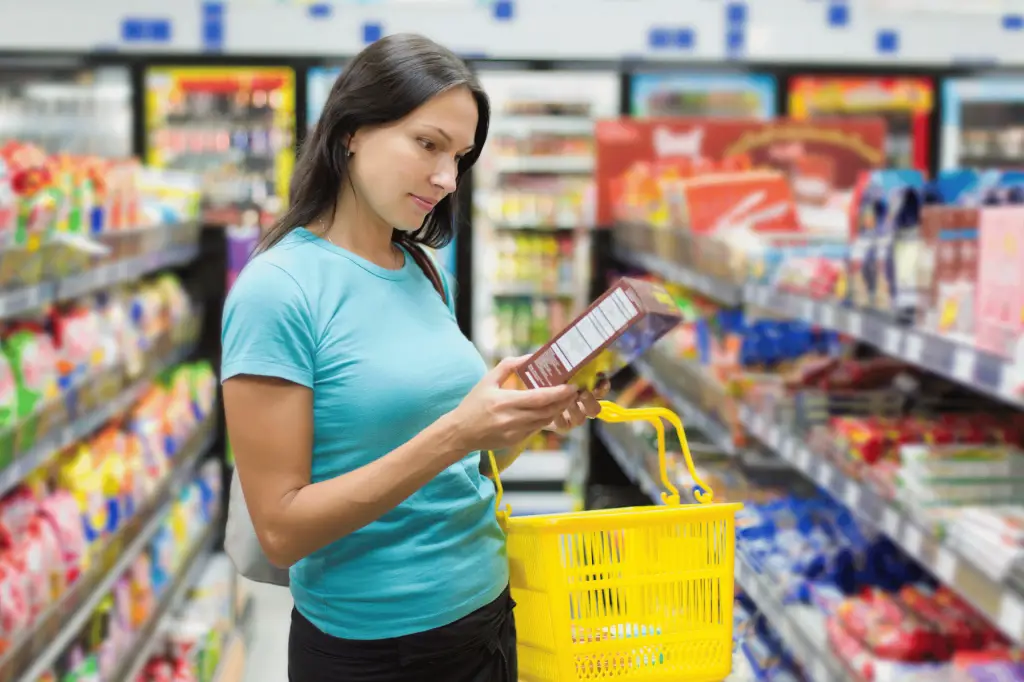
In 2025, regulatory updates will introduce stricter standards for allergen disclosures, nutritional information, and ingredient transparency.
Food Safety and Labeling: What to Expect in 2025

The food service industry is on the brink of significant regulatory changes as 2025 approaches, bringing new food safety and labeling requirements.