DeliLabel
Food Label Maker vs. a REAL Label Printer: What You Really Need
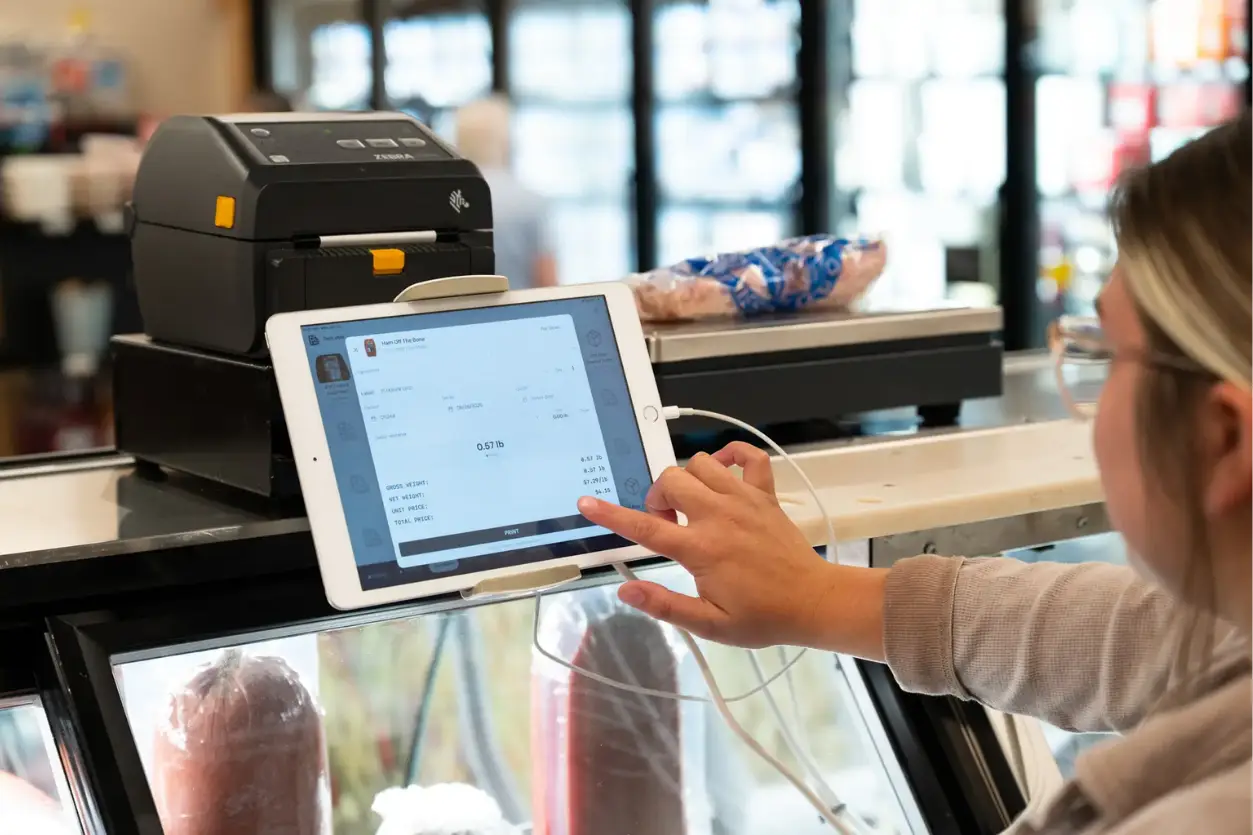
For any food retail operation running Square, the answer is a Zebra ZD411 or ZD421 running DeliLabel or SwiftLabel as the software layer.

For any food retail operation running Square, the answer is a Zebra ZD411 or ZD421 running DeliLabel or SwiftLabel as the software layer.
If you are running Square in a food retail setting—deli, butcher, small grocery, prepared foods—and you have not connected a cost tracking layer, the fastest way to figure out whether InTrac fits your operation is a short walkthrough.
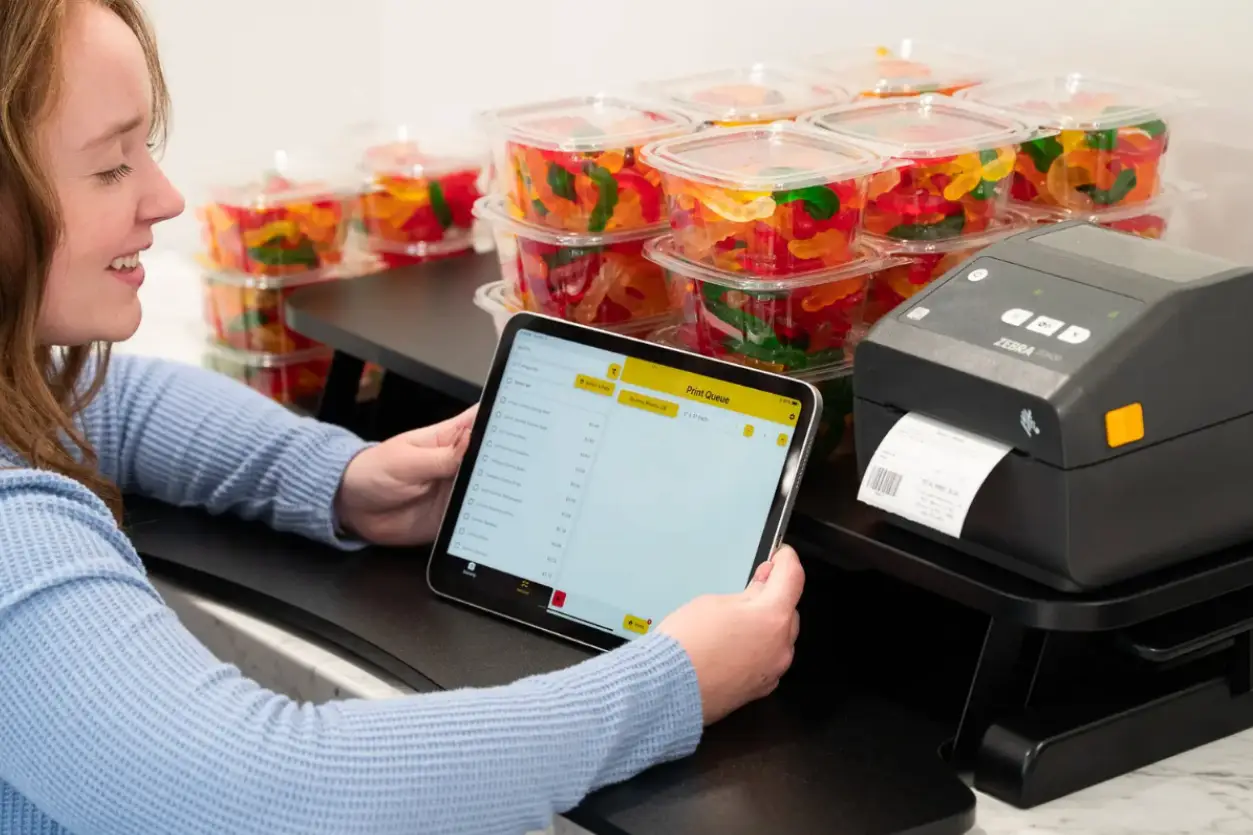
If you are figuring out which printer to buy and which app to run, the MarketSquare Tech team can walk through your product mix and Square setup and recommend the specific combination in about 15 minutes.

If you are going to fix one thing before next week’s lunch rush, fix the labeling step. Labeling is the bottleneck that touches every single order, which means every second saved is multiplied by your total order count.
If you are running Square and your menu has more than a handful of prepared items, the recipe management gap is costing you money you are not seeing. Closing it is a one-time setup, not a recurring fight.

If you are unsure what mix of sizes fits your specific products, the MarketSquare Tech team can review your product list and recommend a setup. It is a 15-minute conversation that saves a lot of trial and error with rolls you cannot return.
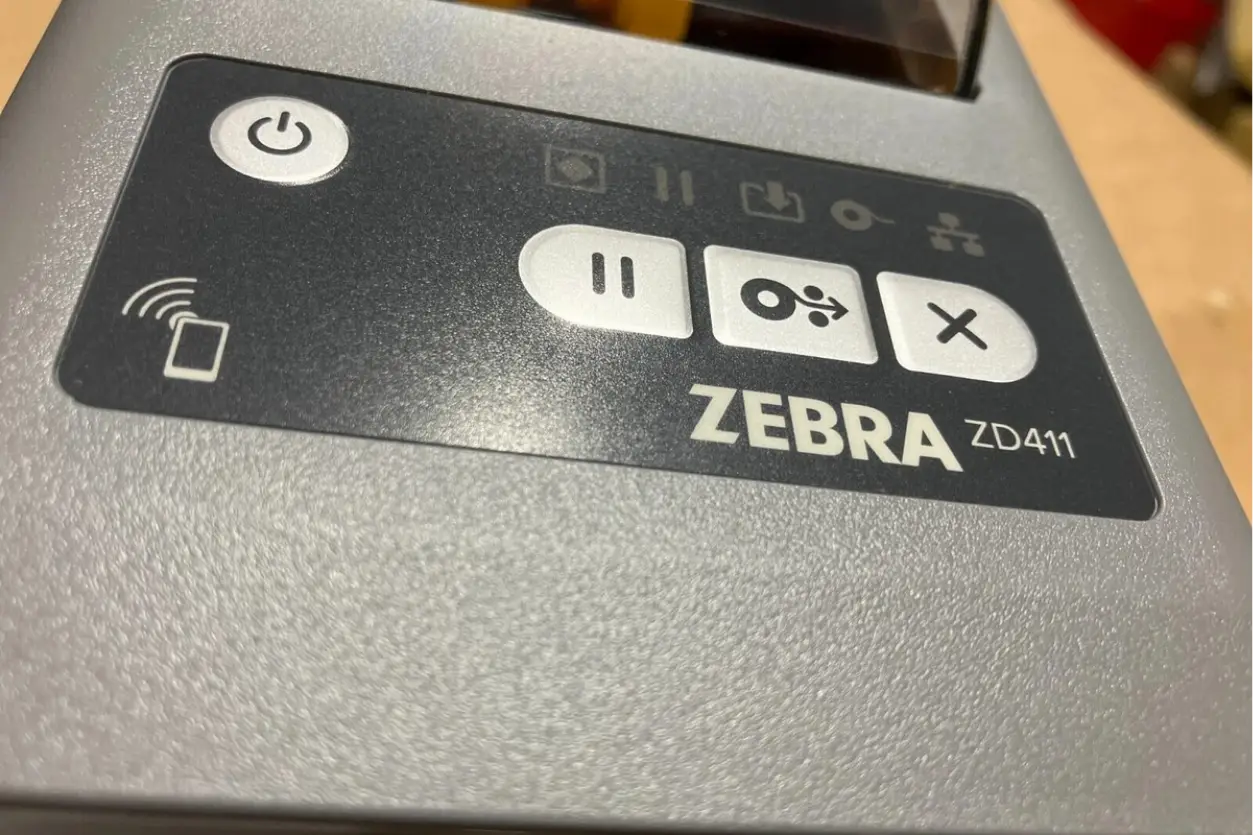
If you are unsure which printer matches your specific counter setup, the DeliLabel team can walk through it with you in a few minutes. The right answer depends on your product mix, your scale setup, and your label size requirements — and getting it right the first time is cheaper than buying twice.

You do not stop having staff changes. You just stop letting staff changes set the menu back to zero.

DeliLabel plus Square is built for food businesses that already use Square and need real product labels.

InTrac is built specifically for food businesses running on Square, and it maps directly to the five challenges above.

A remodel is rarely the answer. Most layout problems can be fixed in an afternoon with no construction and no new fixtures.

For butcher shops that rely on precise labeling, investing in the right technology helps ensure every product is labeled correctly and efficiently, supporting both operational success and customer satisfaction.
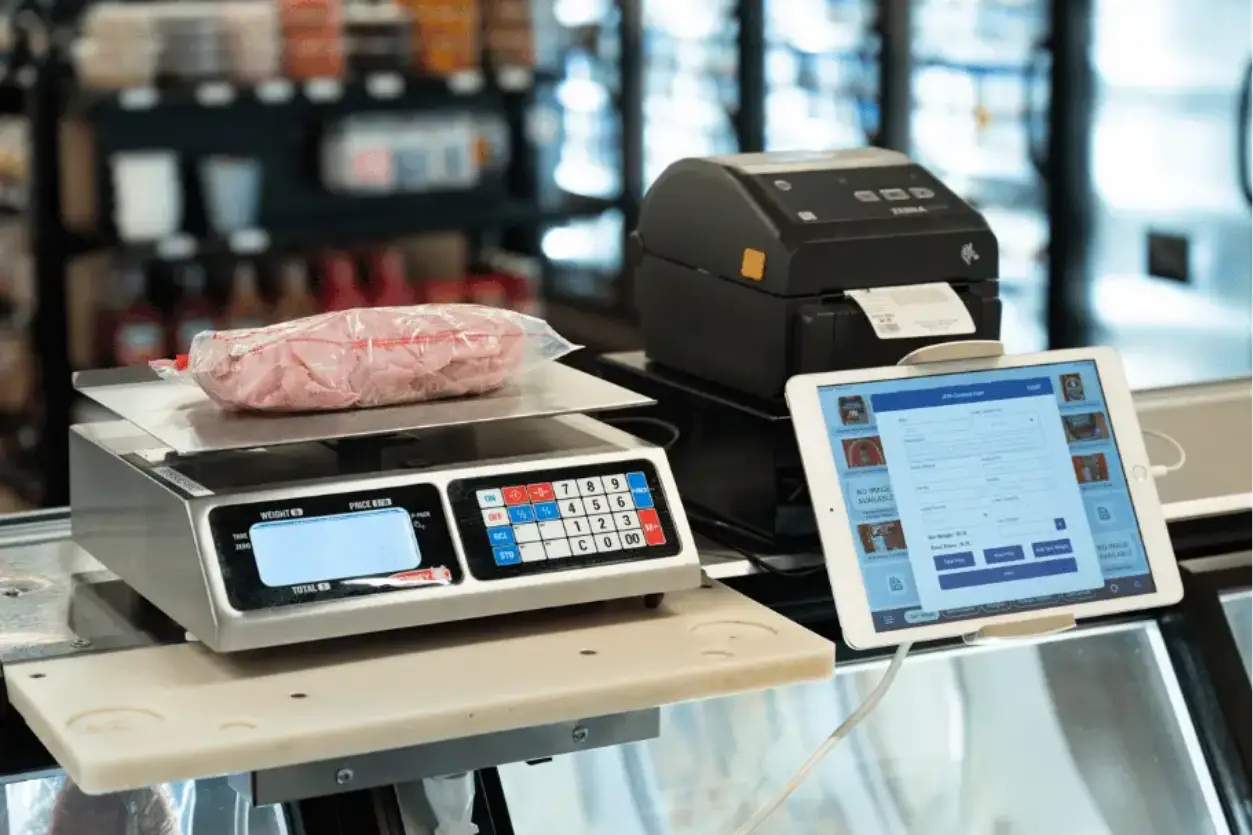
Custom food labels should reflect the needs of your operation. Whether you are labeling prepared foods, packaged items, or deli products, your labels should support both compliance and efficiency.
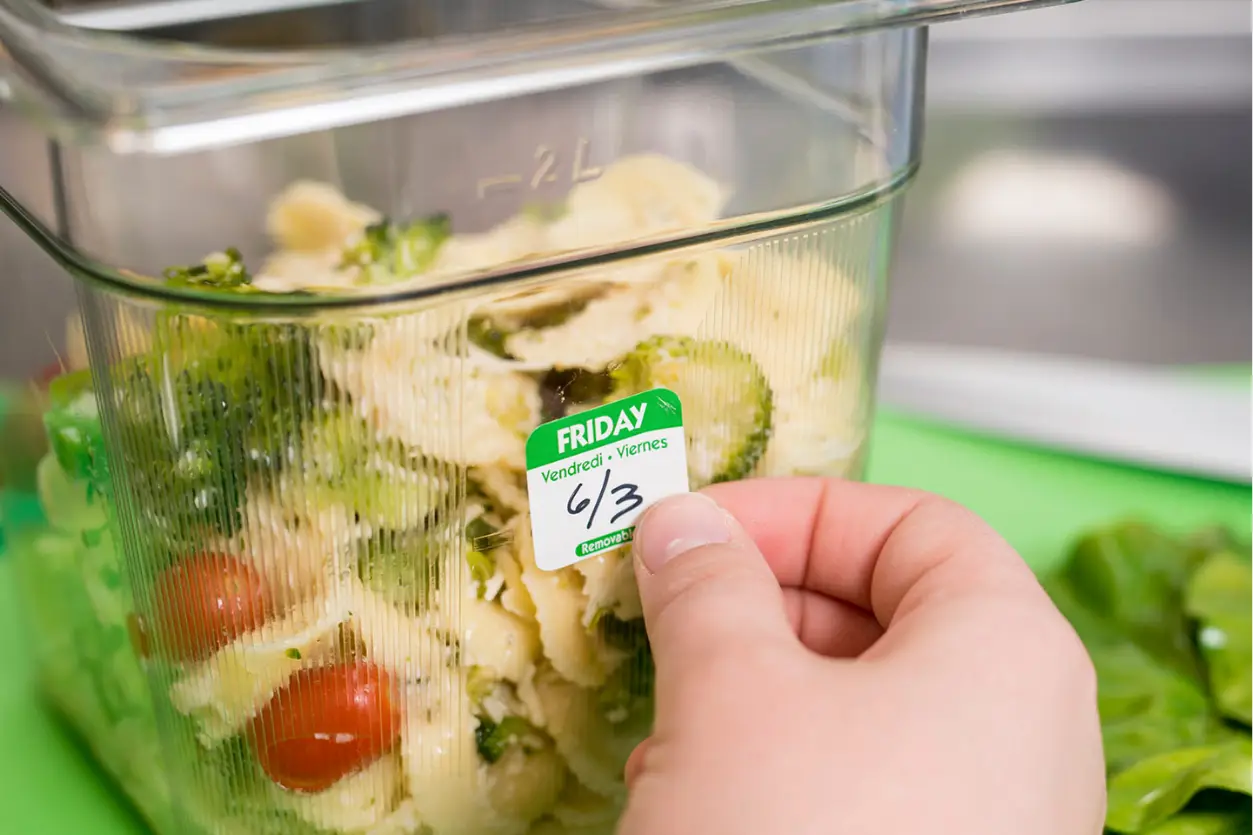
For food businesses focused on efficiency and consistency, removable labels offer a practical solution that supports both staff productivity and overall operational quality.

Investing in high-quality labels is ultimately an investment in operational efficiency. By reducing errors and improving consistency, businesses can create smoother workflows and maintain a more professional presentation.
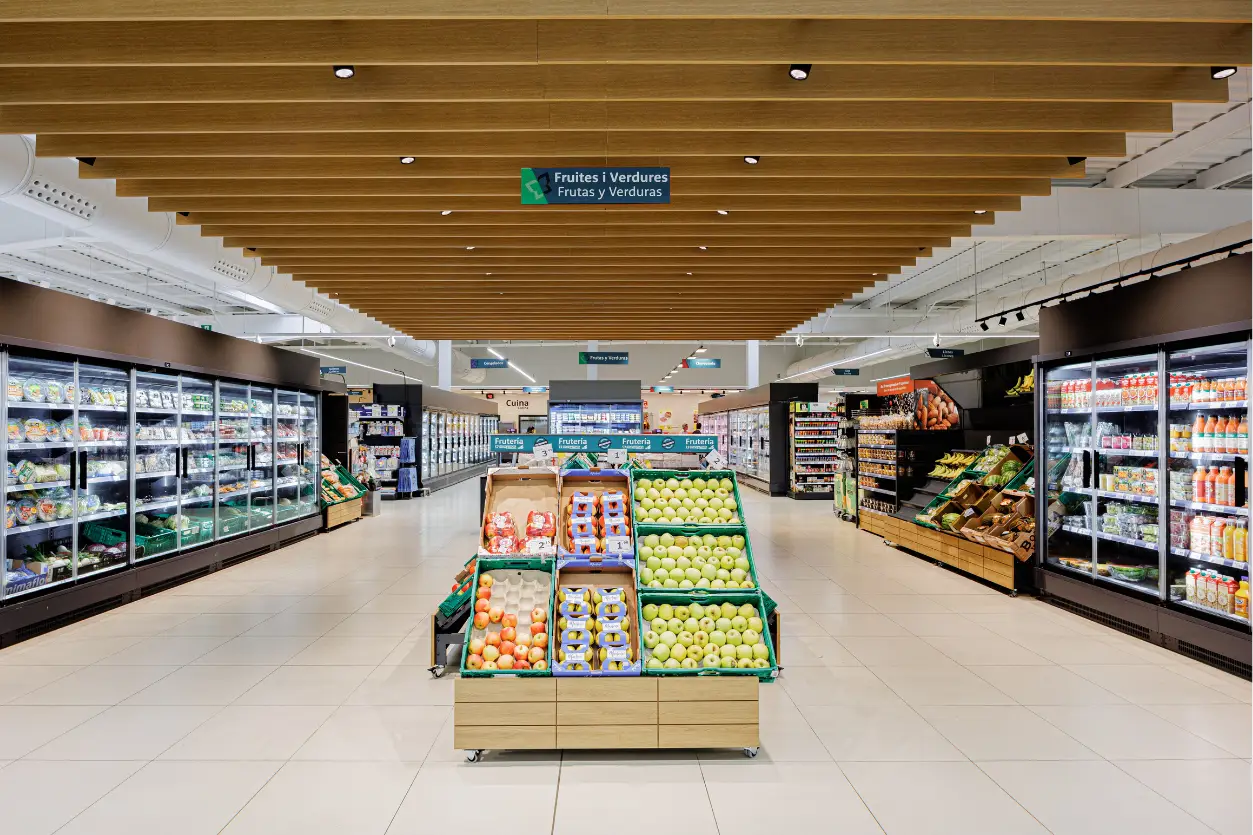
Ultimately, shelf placement combines psychology, organization, and data analysis. Small grocery stores that pay attention to these factors can create a shopping environment that encourages discovery, simplifies navigation, and improves overall sales performance.

Improving operational efficiency often begins with evaluating how these tasks are performed and identifying opportunities to simplify workflows.

Using data to evaluate vendor performance allows businesses to make more informed decisions. Instead of relying on assumptions, managers can compare historical prices, delivery reliability, and product quality to determine which vendors provide the most consistent value.
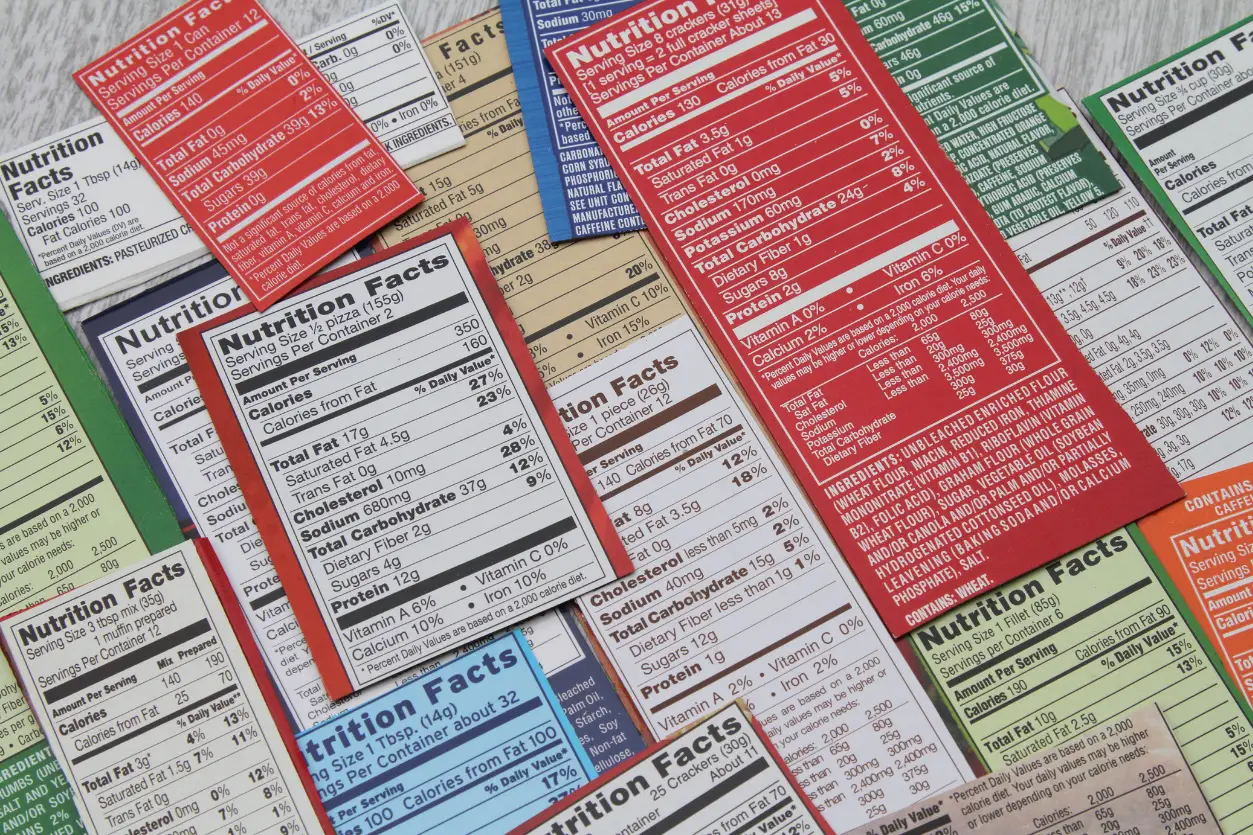
Retail food labels typically include several key pieces of information that help customers understand the product while supporting regulatory compliance and operational accuracy. When these elements are included consistently, businesses reduce confusion and improve transparency for shoppers.
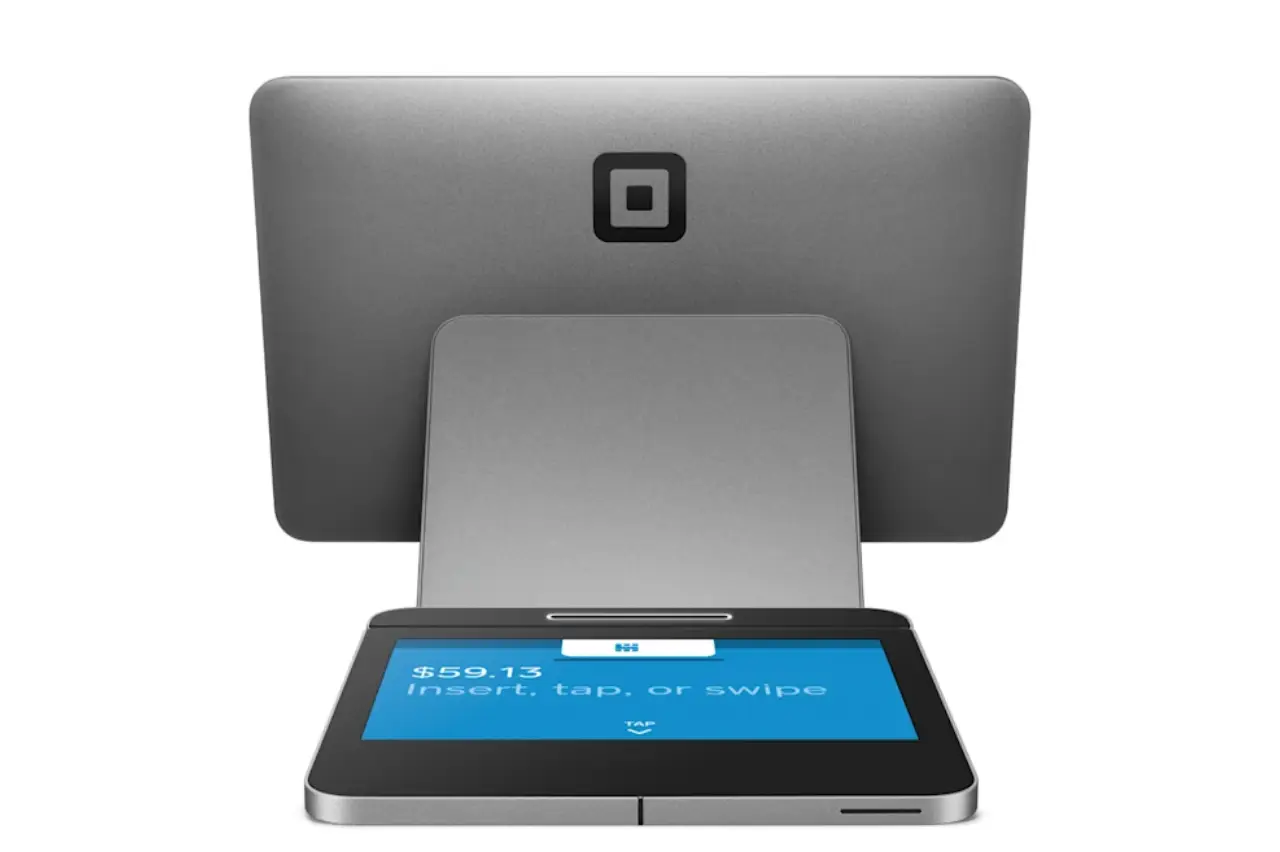
MarketSquare Tech helps retailers structure Square catalogs that support faster checkout, cleaner labels, and more reliable data, so your systems work together instead of against each other.
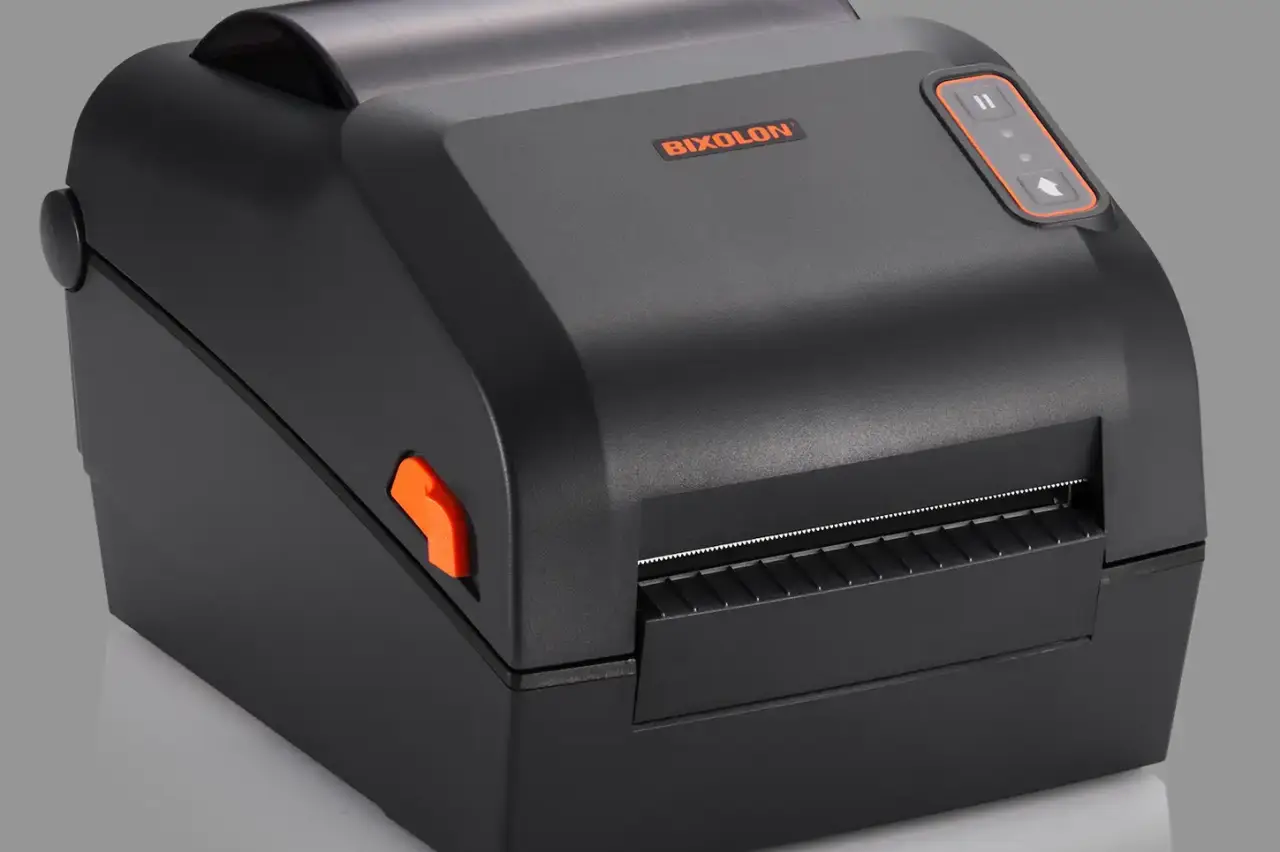
Direct thermal printing isn’t just about the printer, it’s about the entire labeling process. The right combination of software, printer, and label stock determines how fast and accurate your operation can be.
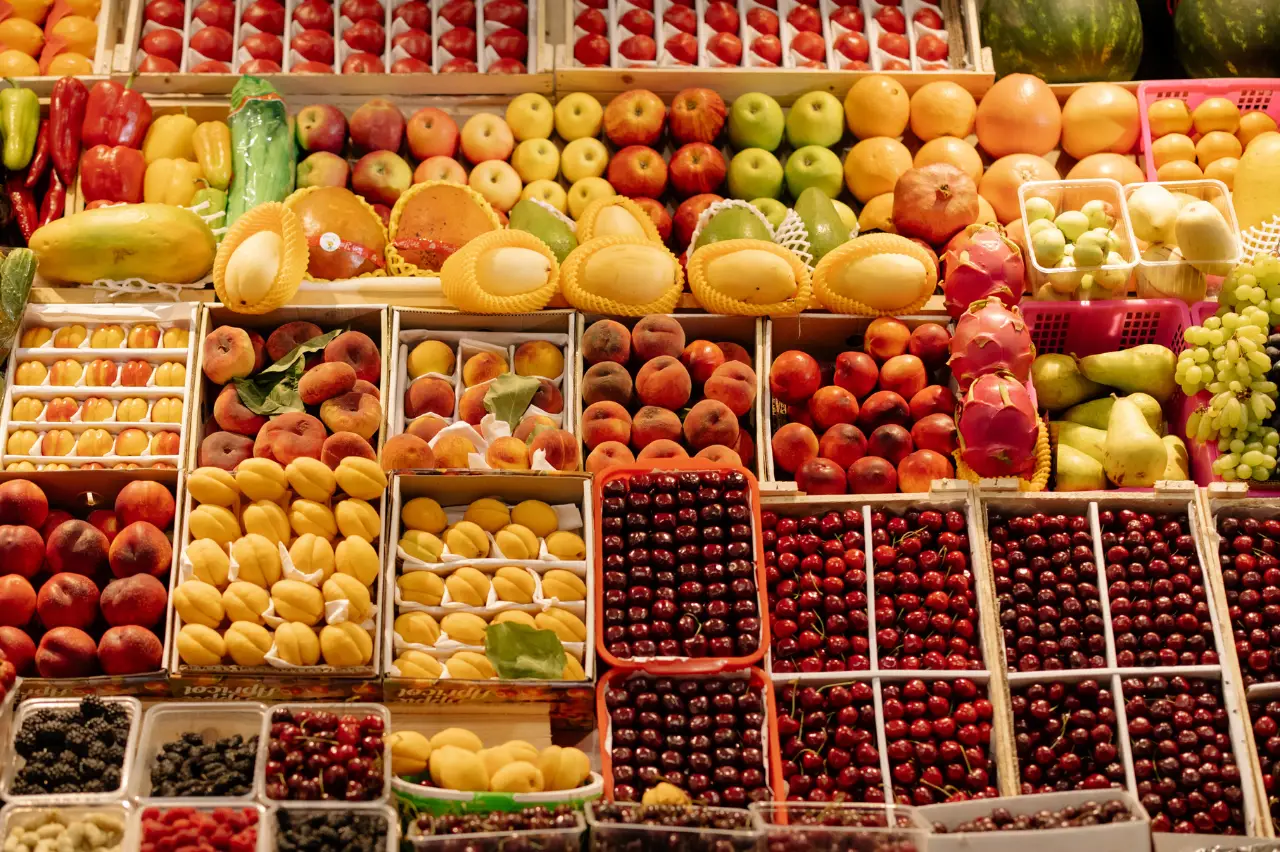
If imported or specialty items are a growing part of your business, your labeling process needs to be as intentional as your sourcing. MarketSquare Tech helps retailers bring structure and consistency to even the most complex product mixes.

If pricing mismatches are a recurring issue in your store, it’s often a sign that your labeling process needs the same level of attention as your POS setup.

MarketSquare Tech helps retailers turn labeling into a strategic tool that supports smarter inventory management, lower waste, and healthier margins year-round.

MarketSquare Tech helps connect recipes, prep workflows, and labeling so accuracy becomes automatic rather than an added task.

Consistent shelf label audits are one of the most effective ways to prevent pricing disputes, reduce shrink, and maintain customer trust.

If your store carries imported foods and you’re unsure whether your current labeling process is keeping up, MarketSquare Tech can help you build a system that supports compliance without slowing down daily operations.
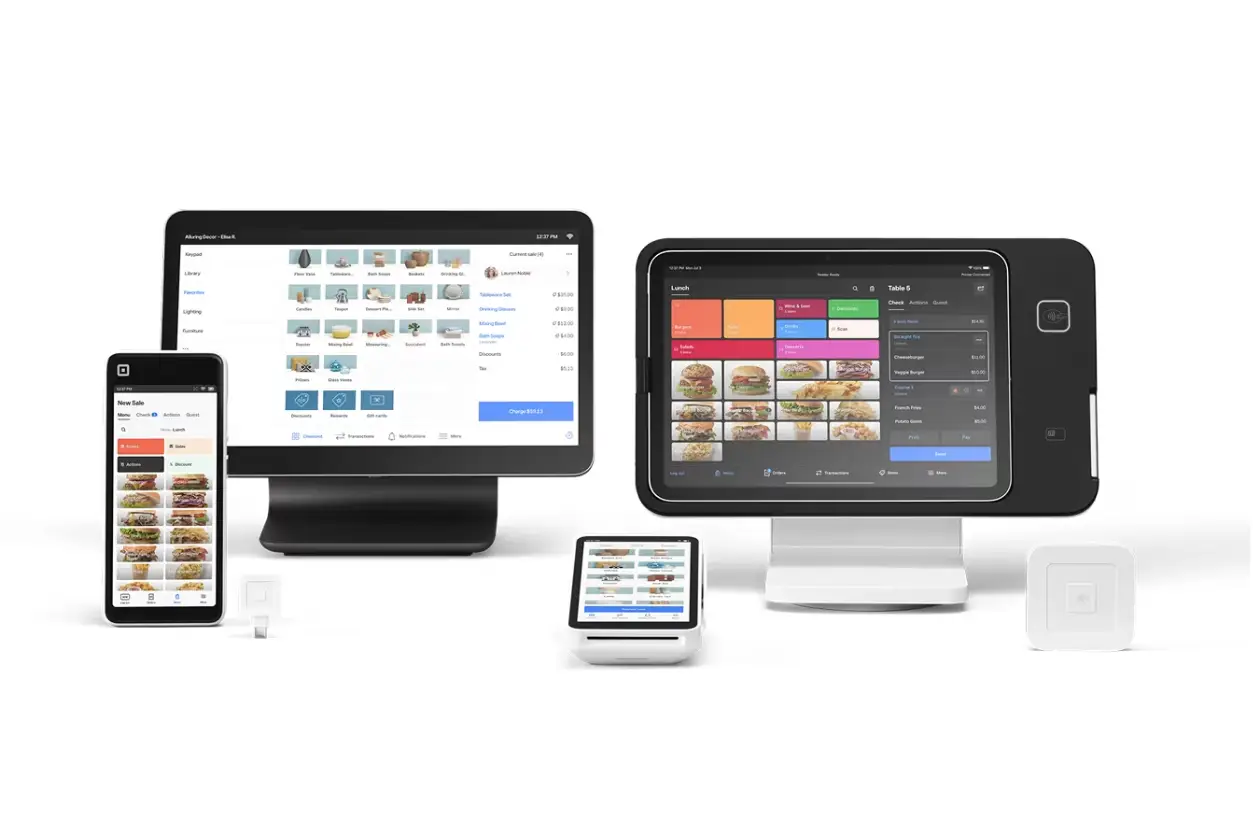
A structured review using Square data gives retailers the clarity they need to step into the new year with confidence. If you want help building a stronger operational foundation, MarketSquare Tech can guide you in optimizing your POS, inventory, and pricing systems for the year ahead.

Keeping food costs stable isn’t just about cutting expenses—it’s about gaining visibility into your true costs, adjusting portioning, and making smarter purchasing decisions before the spikes hit.
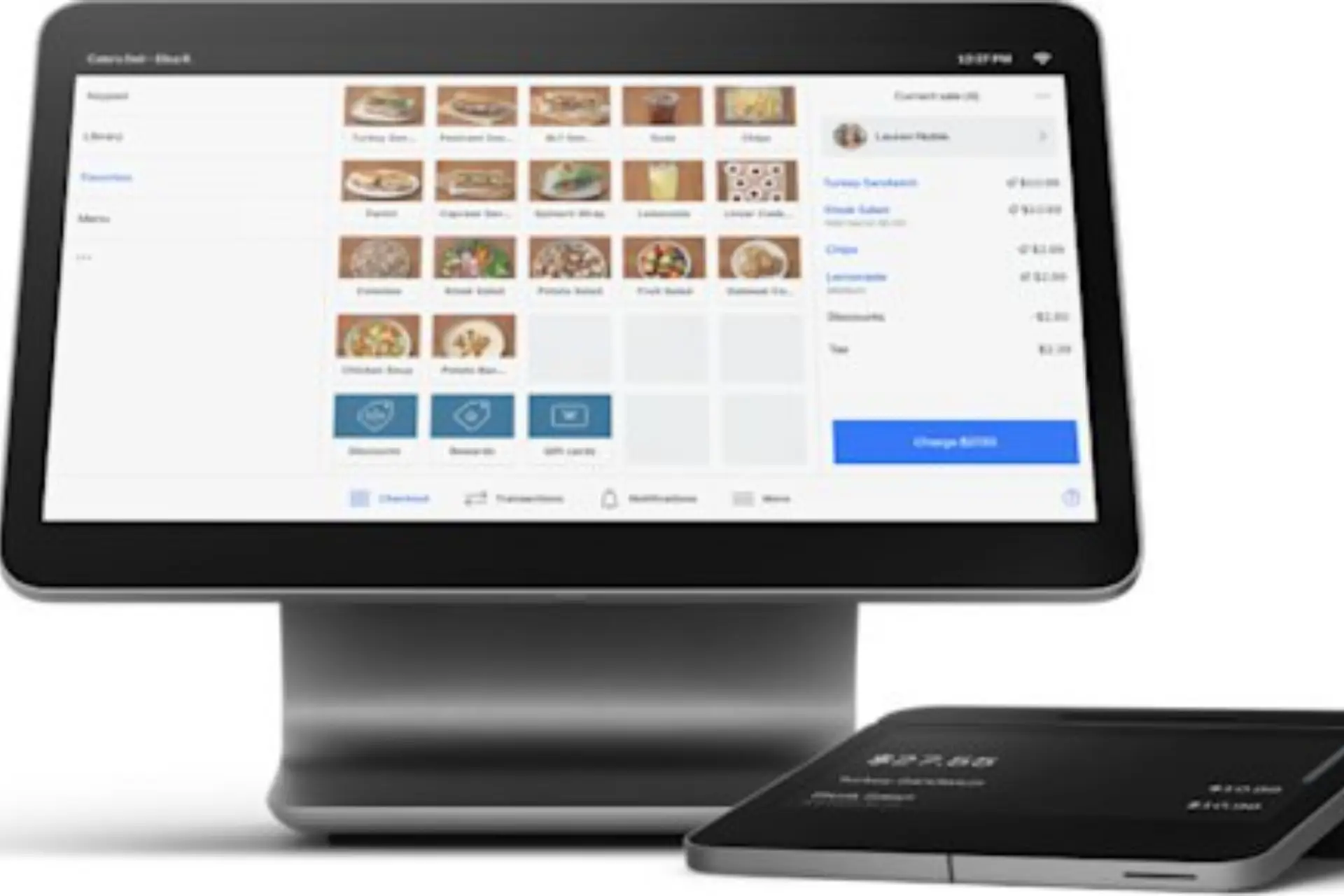
A step-by-step guide to cleaning up your Square POS at year-end, including product lists, pricing, inventory data, and reports to start the new year organized.

Shrink isn’t an unavoidable part of December. With intentional preparation, accurate labeling, standardized workflows, and synced POS data, retailers can keep losses low even during the busiest weeks. If your holiday seasons feel stressful or unpredictable, MarketSquare Tech can help you put systems in place that reduce shrink and improve accuracy all year long.
MarketSquare Tech helps retailers connect these systems seamlessly, from pricing updates in Square to accurate label printing and inventory alignment. As the holidays approach, we’re here to help you keep your store competitive, consistent, and ready for your best season yet.

Square’s 2025 dashboard makes it easier than ever to turn numbers into strategy. By digging into your Sales Summary, tracking live performance, and connecting data to labeling and layout tools like InTrac and SwiftLabel, you can stay ahead of the chaos this holiday season.

Efficient inventory management reduces stress, boosts profit margins, and keeps shelves looking full—even in peak traffic. With tools that automate tracking and optimize restocking, your team can focus on what matters most: helping customers and driving sales.

SwiftLabel represents more than just a labeling tool—it’s a step toward fully connected retail operations. By integrating labeling with POS and inventory systems, MarketSquare Tech helps stores operate with precision, clarity, and speed.
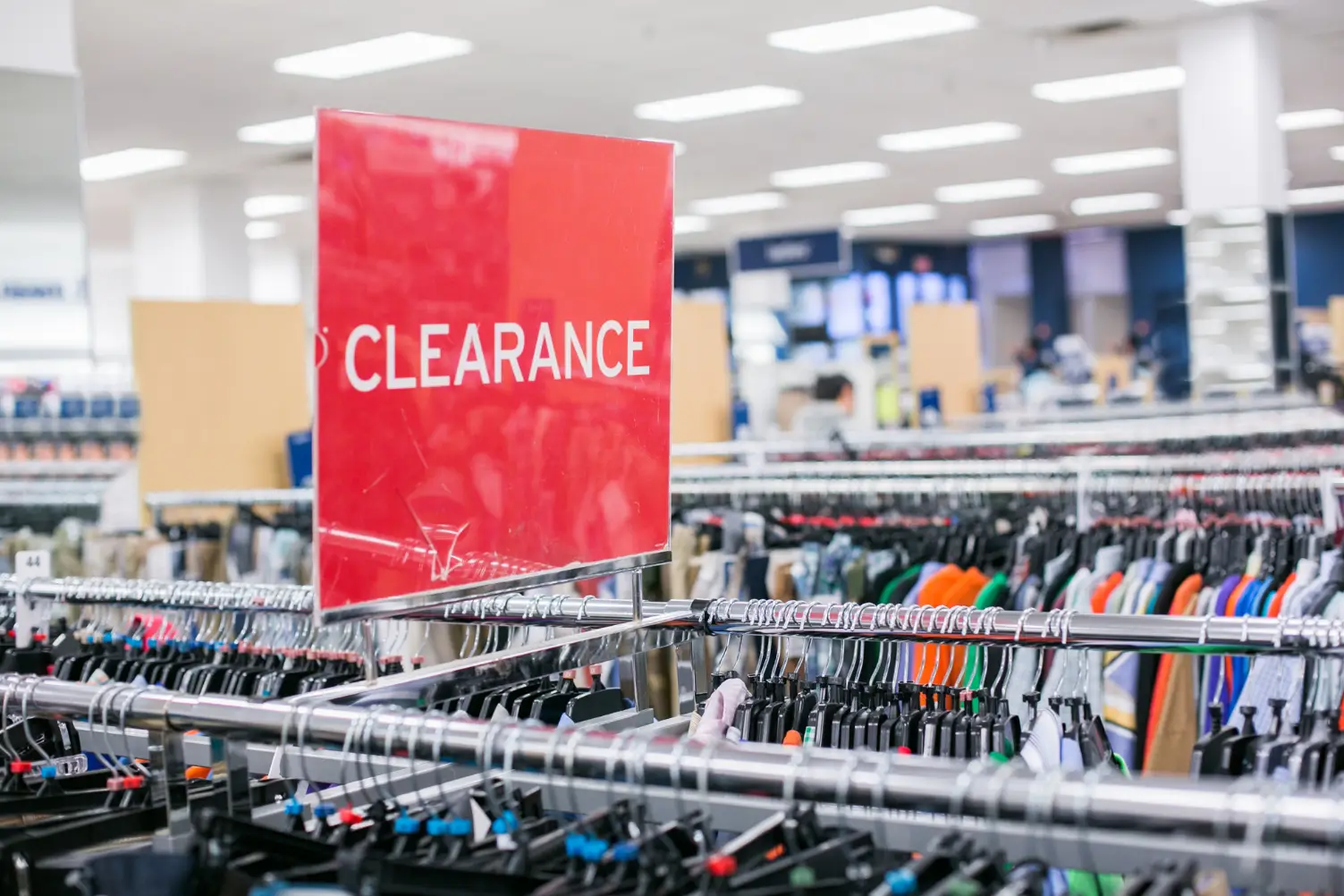
Clearance doesn’t have to be messy. By integrating markdowns into your POS system, training staff on consistency, and treating labels as part of the customer experience, you can turn markdowns into a tool for both efficiency and loyalty.